Noah Kahan's Music Style: Unpacking the Folk-Pop, Indie-Folk, and Country Conundrum
In an era where music genres increasingly blur, artists like Noah Kahan spark fascinating debates about categorization. Hailing from rural Vermont, Kahan has rapidly ascended to global recognition, captivating millions with his raw honesty and distinctive sound. But ask any fan or critic to precisely define Noah Kahan's music style, and you'll likely receive a medley of answers: folk-pop, indie-folk, Americana, or even a nuanced take on country. This discussion isn't just academic; it speaks volumes about his broad appeal and the evolving landscape of modern music. So, where does Noah Kahan truly fit?
The Dominant Narrative: Folk-Pop with Indie Roots
For many, the most accurate label for Noah Kahan is unequivocally folk-pop. This genre designation captures his ability to blend traditional folk storytelling and acoustic instrumentation with accessible, often anthemic pop melodies and structures. Think of artists like Mumford & Sons or The Lumineers – bands that successfully brought a rootsy, acoustic sound to mainstream radio. Kahan fits comfortably within this lineage, crafting songs that are both deeply personal and universally relatable.
His infectious hooks, soaring choruses, and polished production, particularly evident in his breakout album Stick Season, align perfectly with the folk-pop sensibility. While his earlier works might have leaned more heavily into a stripped-down, indie-folk aesthetic, his recent material showcases a refined pop sensibility that makes his music incredibly catchy without sacrificing lyrical depth. This ability to maintain an authentic folk core while embracing pop accessibility is a hallmark of his successful formula, drawing in listeners who might not typically gravitate towards traditional folk music.
Exploring the Indie-Folk and Americana Nuances
While folk-pop often serves as the primary descriptor, several critics and fans argue for a more granular classification, pointing towards indie-folk or even NeoFolk. Indie-folk, by definition, implies a DIY ethos, a certain artistic independence, and often a less polished sound than mainstream folk-pop. Kahan's early career and the raw vulnerability in his lyrics certainly resonate with this independent spirit.
Furthermore, some place Kahan squarely within the broader umbrella of Americana or Alt-Country. These genres typically encompass a diverse range of American roots music, including folk, country, blues, and rock, often with a focus on storytelling and regional identity. Artists like Ryan Adams or The Old 97s, mentioned in discussions surrounding Kahan, often inhabit this space. What distinguishes Kahan from mainstream "country" music, particularly what's produced in modern Nashville, is a crucial point. His sound, while rooted in American traditions, possesses a distinct character that feels separate from the commercial country radio landscape. It’s less about trucks and beer, and more about introspection, small-town life, and the rugged beauty of the Northeast.
Addressing the "Country" Question: Elements vs. Genre
The question of whether Noah Kahan is "country" music is perhaps the most debated. While the consensus among his dedicated fanbase and music critics is a resounding "no" to pure country classification, it's undeniable that certain elements in his music can evoke a country feeling for some listeners. Why might this be?
- Storytelling Lyrics: Country music is renowned for its narrative-driven lyrics, often painting vivid pictures of life, love, and loss. Kahan excels at this, weaving intricate stories deeply rooted in his personal experiences and observations. This shared emphasis on narrative can create an association.
- Vocal Delivery: Kahan's vocal style, with its "wide-open vowels," occasional intentional voice breaks, and a certain "singing accent" on particular songs, can sometimes echo characteristics found in country vocals. There's a raw, emotional quality that transcends strict genre lines but has parallels.
- Appalachian/Regional Influences: While Kahan is from Vermont, his music often taps into a broader rural, mountainous aesthetic that can be interpreted as having Appalachian influences. This regional sound, often associated with folk and bluegrass, shares a family tree with country music.
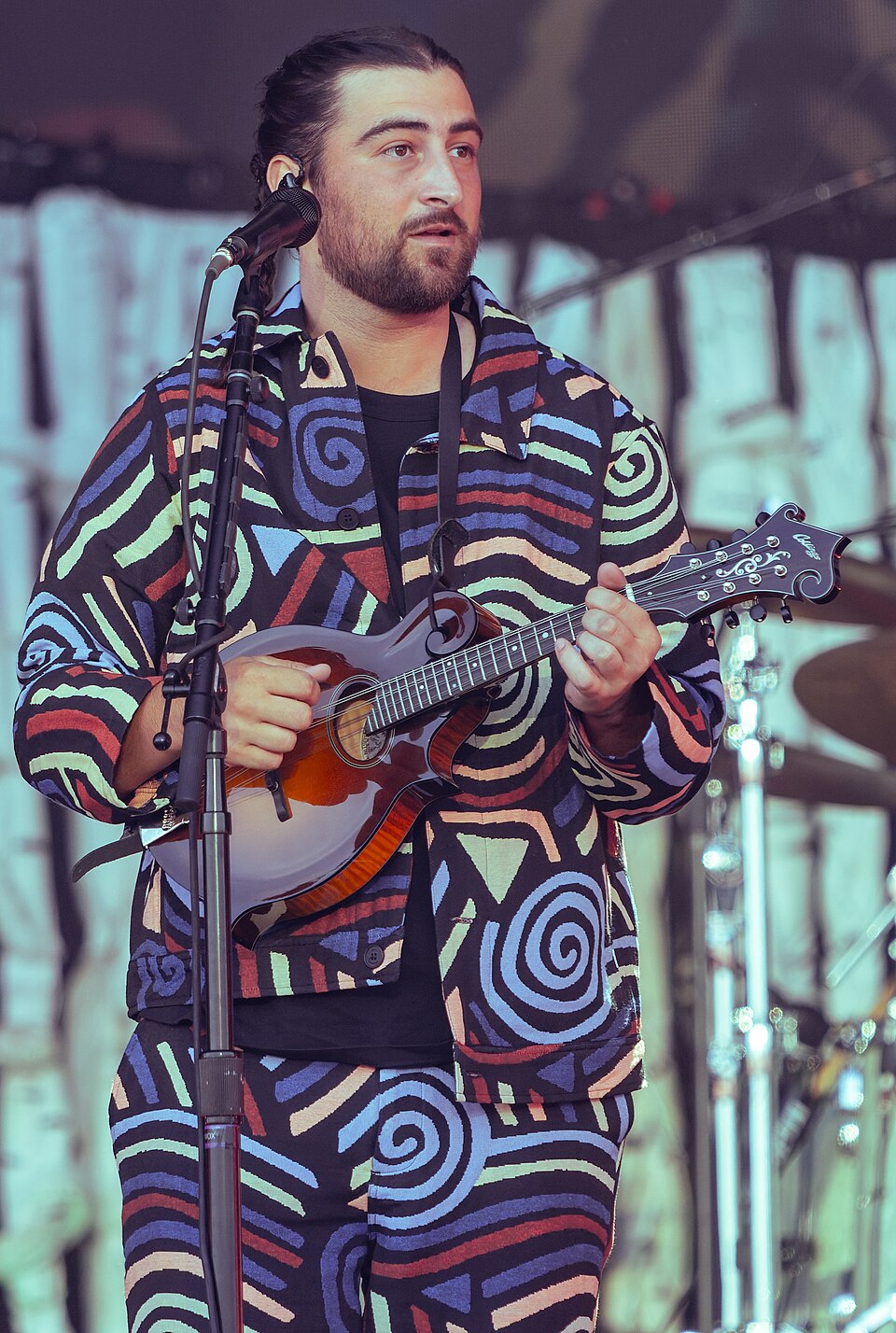
- Instrumentation: While not dominant, occasional use of banjo or mandolin-like sounds, alongside acoustic guitars, can nod to bluegrass and traditional country instrumentation.
However, these elements don't make him a country artist in the contemporary sense. Modern country music, as defined by Nashville, often adheres to specific production styles, lyrical tropes, and sonic palettes that Noah Kahan largely avoids. He's not chasing radio play on mainstream country stations; his audience, while broad, often comes from a different cultural sphere.
The "Northern Attitude": Defining a New Regional Sound
One of the most compelling aspects of Noah Kahan's unique sound is its deep connection to his New England roots, a phenomenon often dubbed "The 'Northern Attitude'." Kahan explicitly sings about his home, his upbringing, and the specific melancholia and resilience that comes from living in colder climates. Lyrics like, "I'm mean because I grew up in New England" from "Homesick" or "Forgive my Northern Attitude, oh, I was raised out in the cold" from "Northern Attitude" create an immediate, palpable connection with fellow New Englanders and those who relate to small-town life.
This regional specificity is not just a lyrical theme; it imbues his music with a distinct character. Much like how country music found its footing in the South by reflecting its landscape and culture, Kahan is forging a new niche for the North. While other indie-pop bands exist across America, Kahan's specific blend of folk melodies, raw vocals, and unwavering devotion to his hometown offers a unique sonic identity. He gives voice to the experiences of those in small towns, making them feel heard and understood.
This regional appeal, however, hasn't limited his reach. Instead, it has amplified it. By being so specific, Kahan achieves a universal relatability. His audience, often referred to as "Busyheads" (named after his 2019 album), connects not just with the regional themes but with the raw, transparent adversities he discusses – mental health struggles, alcoholism, and the complexities of growing up. This authenticity transcends geographical boundaries, making his "niche" music resonate deeply with a global audience.
Conclusion: A Genre-Fluid Artist with Universal Appeal
Ultimately, Noah Kahan's music style defies easy categorization, residing comfortably in the expansive and evolving territory between folk-pop and indie-folk, with strong nods to Americana. While traces of traditional country storytelling and vocal inflections might be present, his unique regional identity rooted in New England, coupled with a modern pop sensibility and profound lyrical honesty, firmly positions him outside the mainstream country genre. Kahan is a masterful storyteller, whose personal narratives about small-town life, mental health, and the complexities of human emotion resonate far beyond any strict genre confines. His sound is a testament to the power of authenticity, proving that when an artist sings from the heart about their specific truth, it can touch the lives of millions, no matter the label.